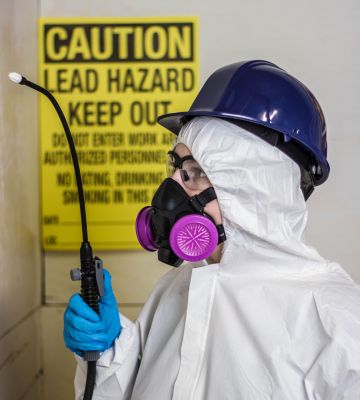
About Lead Paint Analysis Services
Visitors will learn how to compare local lead paint analysis services and connect with nearby contractors who handle the work.
- - Residential property owners seeking to identify lead-based paint hazards in older homes.
- - Contractors and renovation professionals preparing for projects involving paint removal or remodeling.
- - Property managers and landlords needing to ensure compliance with lead safety regulations.

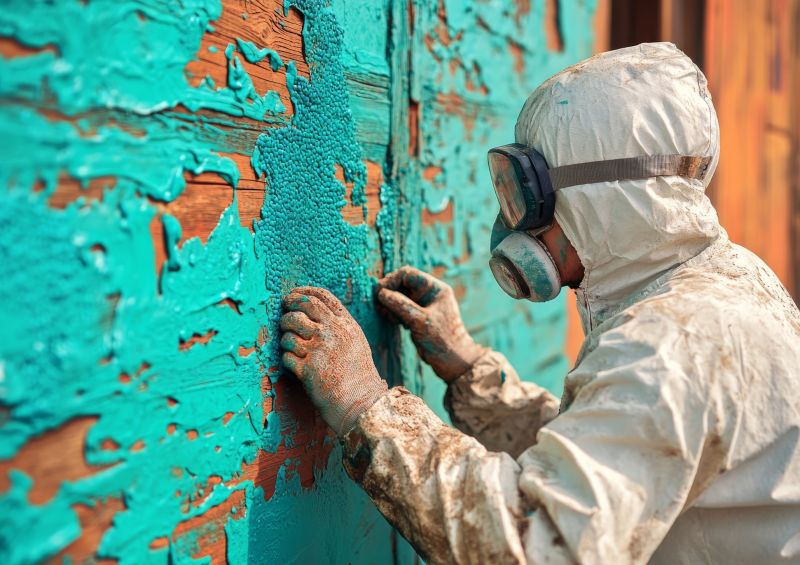
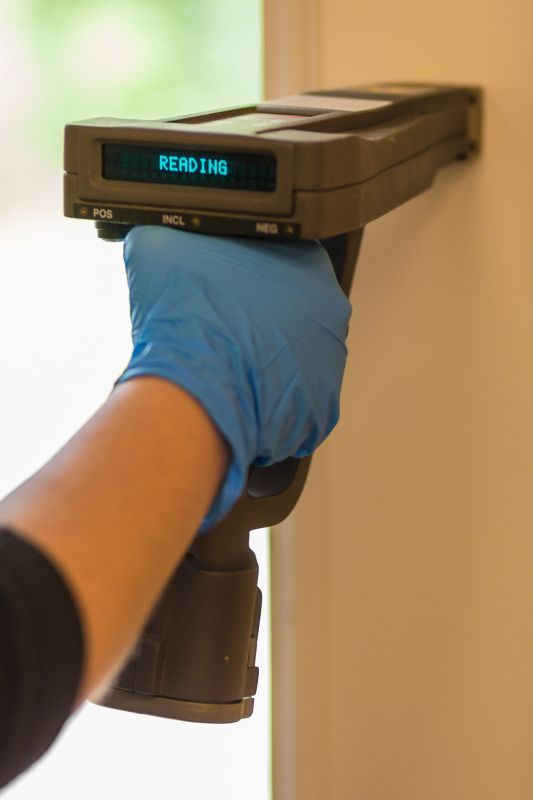
Lead paint analysis services involve inspecting properties for the presence of lead-based paint, which is a common concern in older buildings. Property owners and residents often seek assistance from local contractors who specialize in testing and evaluating paint surfaces to determine if lead hazards exist. These professionals use specialized tools and methods to identify lead content, helping clients understand potential health risks and decide on appropriate next steps.
Connecting with qualified local service providers can make the process of lead paint analysis straightforward and efficient. Many contractors offer comprehensive testing options, including surface sampling and laboratory analysis, to provide accurate results. Property owners can expect clear communication about the scope of work and findings, enabling informed decisions about renovation, safety measures, or further testing. This service is a valuable step in maintaining safe living or working environments, especially in older buildings with a history of lead-based paint use.
This guide provides helpful information to understand lead paint analysis and what to expect from local service providers. It assists in comparing options and preparing to discuss the basics of a project with nearby contractors. The goal is to support informed decisions when connecting with local professionals handling lead paint testing.