
Popular Lead Paint Analysis Products For Accurate Results
Discover trusted instruments and kits that provide precise lead detection to support safe renovation and inspection projects.
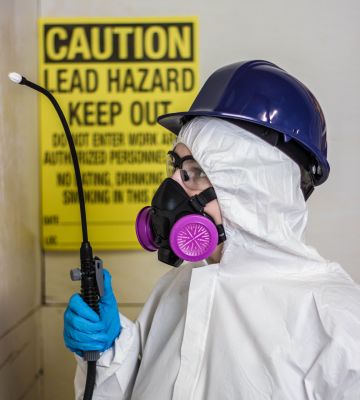 Products designed for lead paint analysis encompass a variety of tools and kits aimed at identifying the presence of lead in painted surfaces. These products are essential for homeowners, contractors, and inspectors who need to assess potential health risks associated with lead-based paints, especially in older buildings. Many of these tools are user-friendly and provide quick results, making them suitable for both professional and DIY applications. The range includes simple test kits that require minimal equipment as well as more sophisticated devices that offer detailed, quantitative measurements.
Top Overall Option
Portable Lead Paint Test Kit
A versatile and user-friendly solution for quick lead detection on various surfaces. This kit typically includes swabs, reagents, and color charts to facilitate easy interpretation of results. Suitable for both professional inspectors and DIY homeowners, it offers a practical way to assess lead presence without specialized equipment. While it may not provide quantitative data, it is valued for its convenience and straightforward operation.
Types of Products For Lead Paint Analysises
Chemical Lead Test Swabs
Disposable swabs that change color upon contact with lead, providing a quick visual indication of lead presence.
Lead Test Wipes
Pre-moistened wipes designed to sample surfaces and detect lead through color change or chemical reactions.
Colorimetric Test Kits
Test kits that use chemical reagents to produce a color change indicating lead, often accompanied by a color chart for comparison.
Portable XRF Analyzers
Handheld devices that use X-ray fluorescence technology to provide quantitative measurements of lead content without damaging surfaces.
Laboratory Testing Kits
Complete kits that allow sample collection for sending to a lab for detailed analysis, suitable for comprehensive assessments.
Paint Chip Test Kits
Tools for collecting small paint samples for laboratory analysis, often used when surface testing is inconclusive.
Non-Destructive Lead Detectors
Devices that scan painted surfaces without removal, offering quick detection of lead-based paint.
DIY Lead Testing Kits
All-in-one kits designed for homeowners to perform preliminary lead testing with minimal technical expertise.
Spectroscopic Lead Analyzers
Advanced instruments that analyze the chemical composition of paint or dust samples for lead content.
Lead Dust Test Kits
Specialized kits for detecting lead dust contamination in environments, important for post-remediation assessments.
Surface Swab Test Kits
Swabs used to sample painted surfaces, with results indicating potential lead presence through chemical reactions.
Electrochemical Lead Sensors
Sensors that detect lead ions in samples via electrochemical methods, often integrated into portable devices.
Multi-Parameter Lead Test Devices
Devices capable of testing for multiple hazardous substances, including lead, in a single sample.
Lead Paint Test Pens
Pens containing chemical reagents that can be applied directly to surfaces for immediate lead detection.
Infrared Lead Detection Devices
Specialized tools that use infrared technology to identify lead-based paint layers without surface damage.
Paint Thickness Gauges with Lead Detection
Instruments that measure paint layer thickness and detect lead presence simultaneously.
Popular Choices
Widely used for quick surface testing, providing immediate visual cues for lead presence.
Convenient for sampling multiple surfaces efficiently, often used in field inspections.
Popular for their simplicity and clear color change indicators, suitable for non-technical users.
Favored by professionals for their accuracy and ability to test without sample removal.
Common among homeowners for preliminary assessments before hiring professionals.
Often used when surface testing is inconclusive or when detailed lab analysis is desired.
Important for post-remediation checks or environments with potential dust contamination.
Popular for quick, on-site surface assessments with easy-to-interpret results.
Growing in popularity for their portability and detailed lead quantification.
Valued for non-invasive detection of lead paint layers in older structures.
Useful for assessing layered paints and detecting lead within multiple coatings.
Lead paint testing devices typically work by analyzing surface samples or using non-destructive methods to detect lead particles. Sample collection methods can involve swabs, wipes, or scraping tools, which are then tested with chemical reagents or analyzed via portable electronic devices. Some testing kits utilize colorimetric indicators that change color in the presence of lead, while others employ X-ray fluorescence (XRF) technology for more precise detection. The choice of product largely depends on the level of accuracy needed, the scope of the project, and budget considerations.
When selecting lead paint analysis products, it is important to consider the ease of use, the reliability of results, and the speed of testing. Many kits are designed for quick, on-the-spot assessment, providing results within minutes. For more detailed analysis, portable XRF analyzers are available, offering higher accuracy and the ability to test multiple surfaces without sample destruction. Additionally, some products include comprehensive instructions and support to ensure proper testing procedures are followed, which is crucial for obtaining valid results. Proper calibration and understanding of the device's limitations are also key factors to keep in mind.
Overall, the market offers a broad spectrum of lead paint testing options suitable for different needs and expertise levels. Whether conducting a preliminary survey or performing detailed inspections, selecting the right product involves balancing accuracy, ease of use, and budget. It is recommended to review product specifications carefully and consider consulting with professionals if definitive results are required for health and safety decisions.
Key Buying Considerations
- Accuracy of the test results and whether it provides qualitative or quantitative data.
- Ease of use and clarity of instructions, especially for DIY users.
- Speed of obtaining results to facilitate timely decision-making.
- Type of sample collection method and whether it is non-destructive.
- Compatibility with different surface types and paint conditions.
- Calibration requirements and device maintenance needs.
- Portability and size of the testing device for field use.
- Reliability and reputation of the manufacturer or brand.
- Cost of the initial purchase and ongoing supplies or calibration materials.
- Availability of customer support and technical assistance.
- Legal or regulatory compliance, especially for professional inspections.
- Ability to test multiple surfaces or areas efficiently.
- Battery life or power source requirements for electronic devices.
- Potential for false positives or negatives and how results are interpreted.
- Additional features such as data storage, reporting, or connectivity.