
Optimal Timing for Lead Paint Analyses
Lead paint analyses are most effective when conducted during specific conditions to ensure accurate results. The ideal timing often depends on factors such as building occupancy, renovation schedules, and environmental conditions. Conducting analyses before renovations can help identify lead hazards early, reducing exposure risks. Additionally, performing tests during dry weather conditions minimizes the likelihood of moisture interference, which can affect sample integrity.
Perform lead paint analyses before starting renovation projects to identify lead hazards and plan appropriate abatement measures.
Conduct analyses during property inspections for real estate transactions to assess lead risk and ensure compliance.
Test after lead hazard control measures are implemented to confirm the safety of the environment.
Schedule analyses during dry seasons to avoid moisture-related sample issues and improve test accuracy.
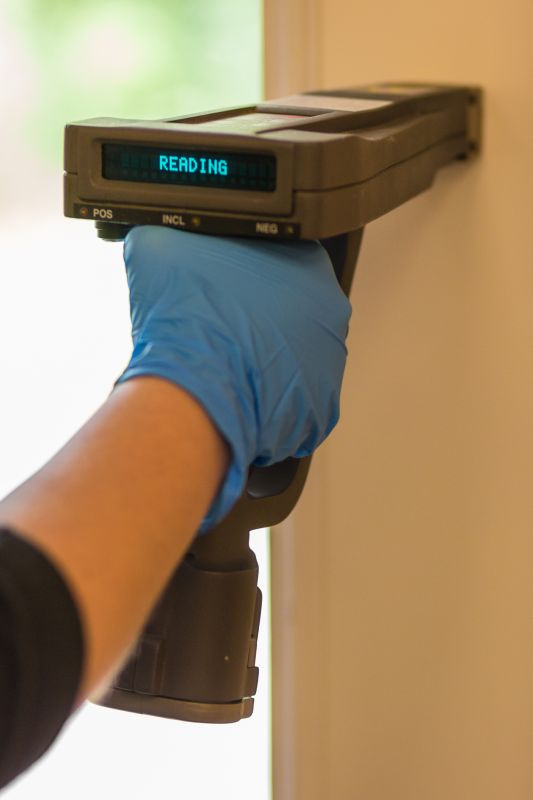
Technicians collecting paint samples from walls and surfaces.
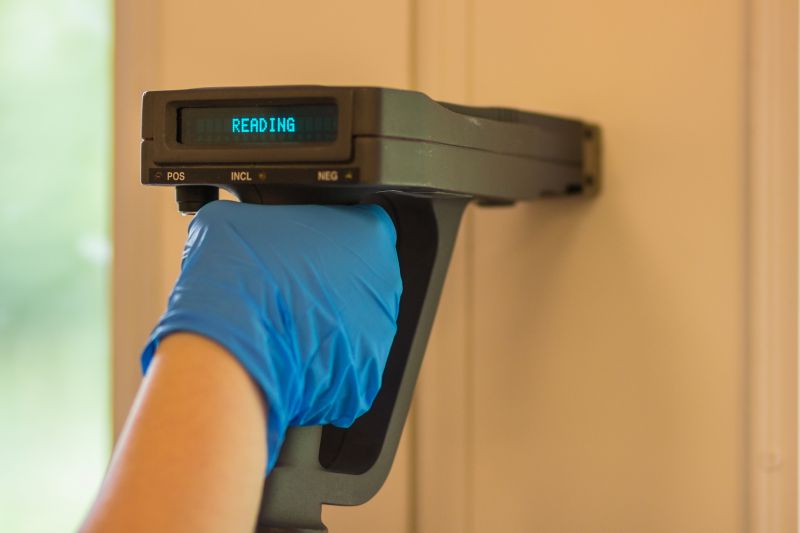
Samples being analyzed in a lab setting for lead content.
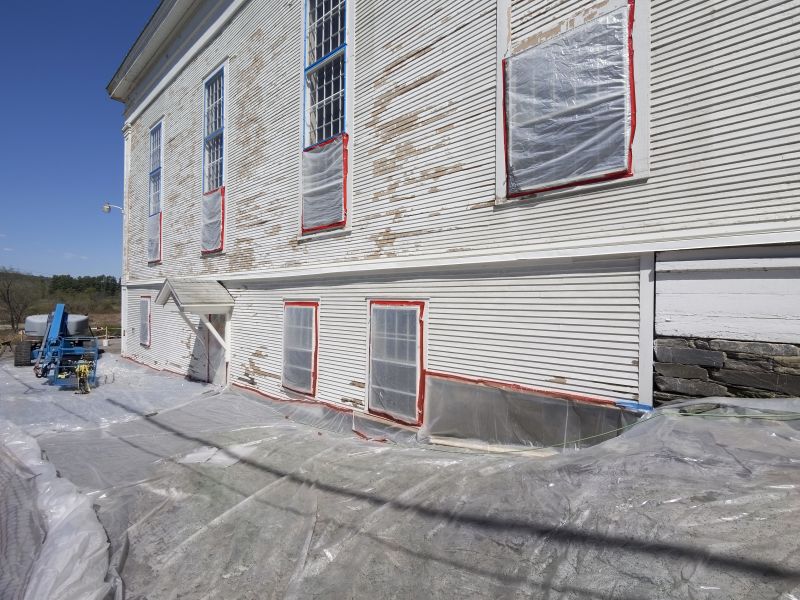
Inspector examining a building for lead hazards.
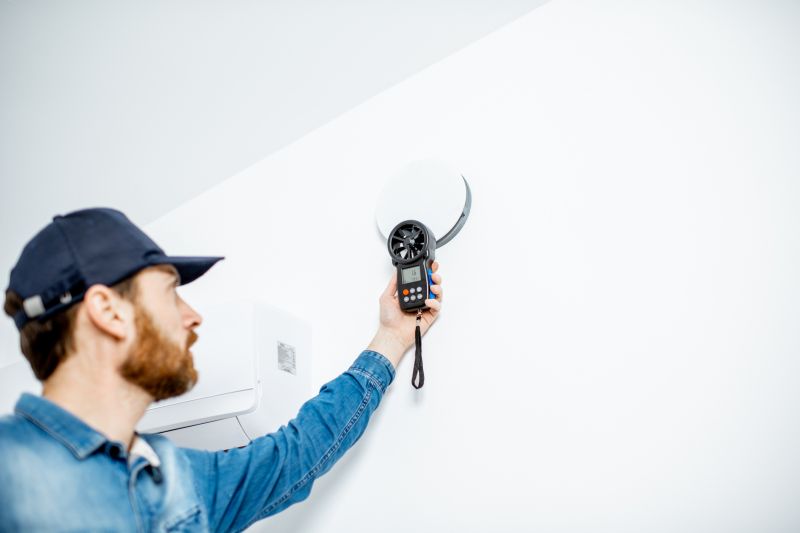
Testing ambient air for lead dust during analyses.
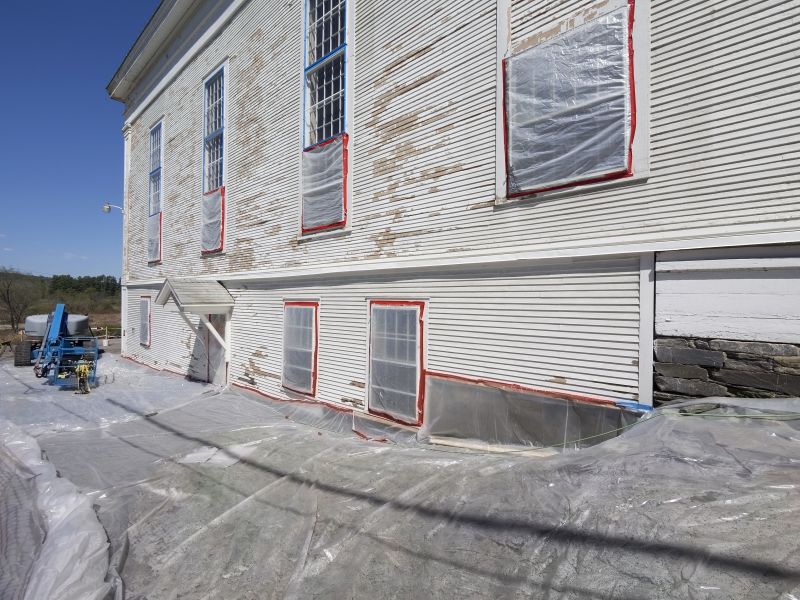
Preparation of a property for renovation with lead hazard assessment.
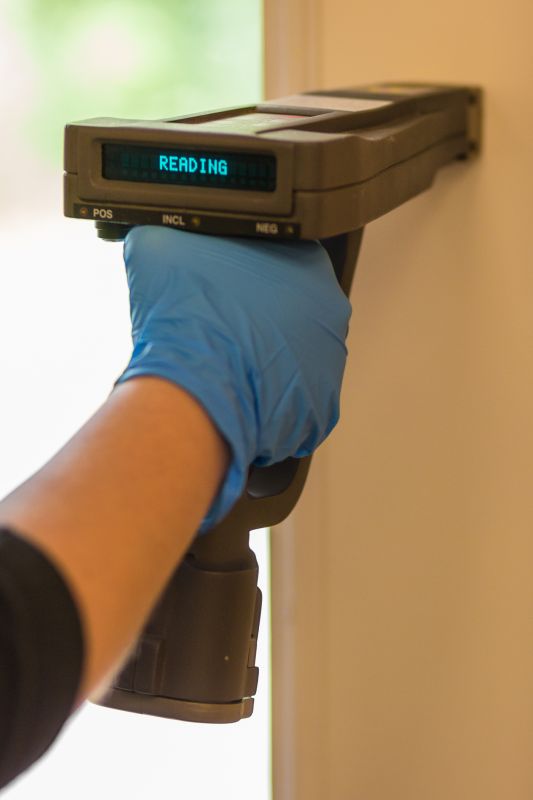
Tools used for collecting lead paint samples.
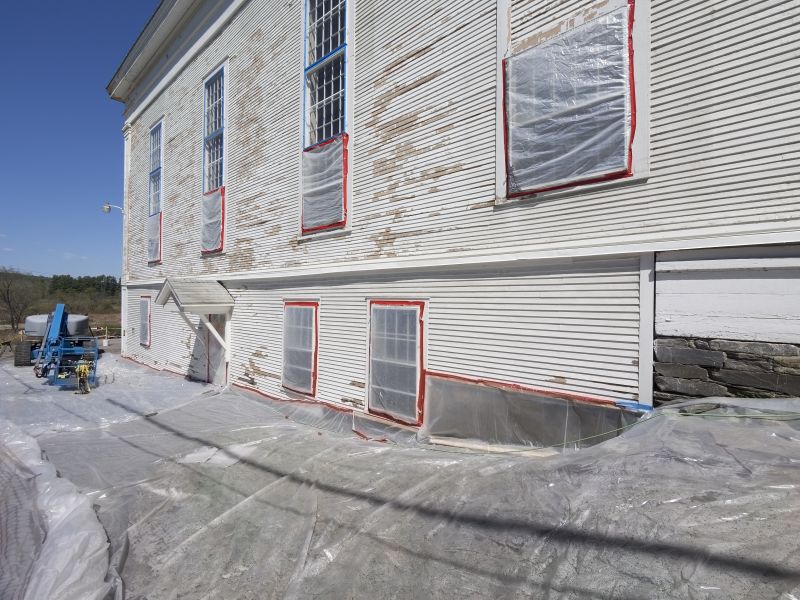
Results of lead paint analysis documented for clients.
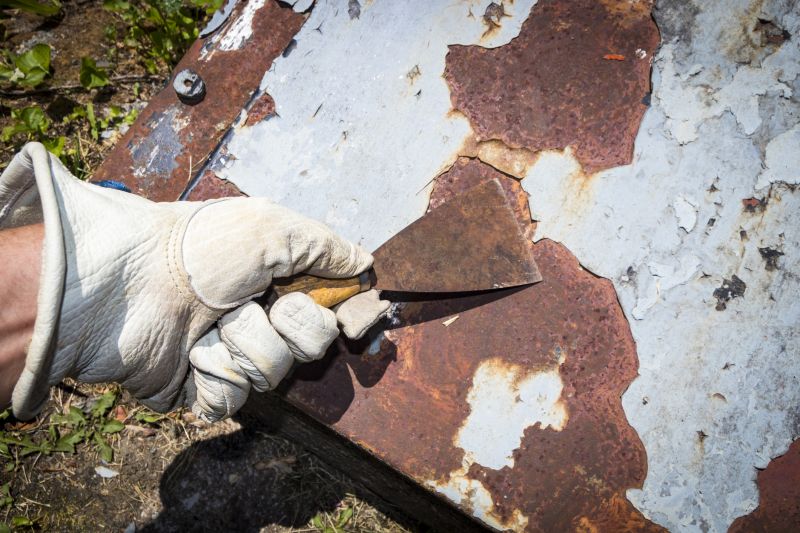
Implementation of lead hazard remediation measures.
| Timing Aspect | Best Practice |
|---|---|
| Before Renovation | Conduct lead paint analysis to identify hazards prior to work. |
| During Inspection | Assess lead presence during property evaluations. |
| Post-Remediation | Verify effectiveness of lead hazard removal. |
| Seasonal Timing | Schedule during dry months for optimal sampling accuracy. |
| Occupancy Status | Prefer testing unoccupied buildings for thorough assessment. |
| Weather Conditions | Avoid testing during rainy or humid conditions. |
| Building Age | Older buildings typically require more frequent testing. |
Lead paint analyses are crucial for identifying hazardous lead-based paint in residential and commercial properties. The presence of lead in paint was common in buildings constructed before regulations limited its use. Testing helps prevent lead poisoning, especially in environments with children or pregnant individuals. Accurate analysis involves collecting paint samples or dust wipes and analyzing them in laboratories to determine lead content. Results guide necessary remediation actions and ensure compliance with safety standards.
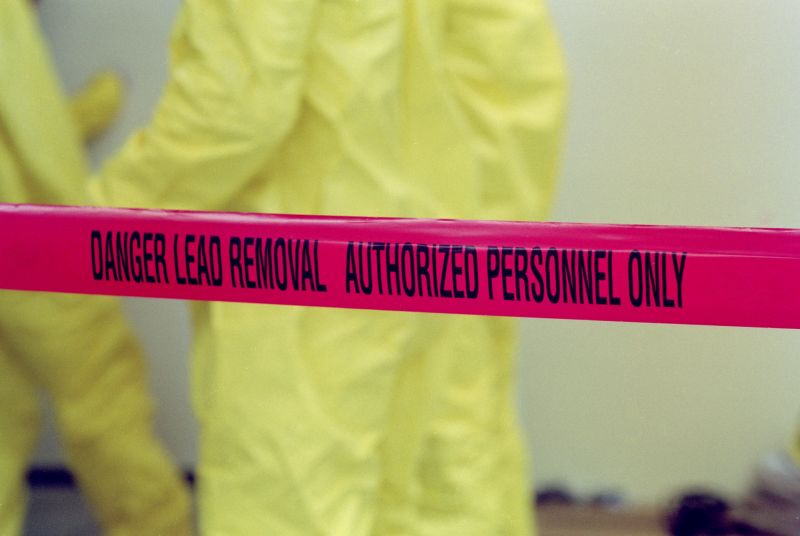
Technicians collecting paint samples for analysis.

Laboratory tools used for lead content analysis.

Building inspector examining painted surfaces.
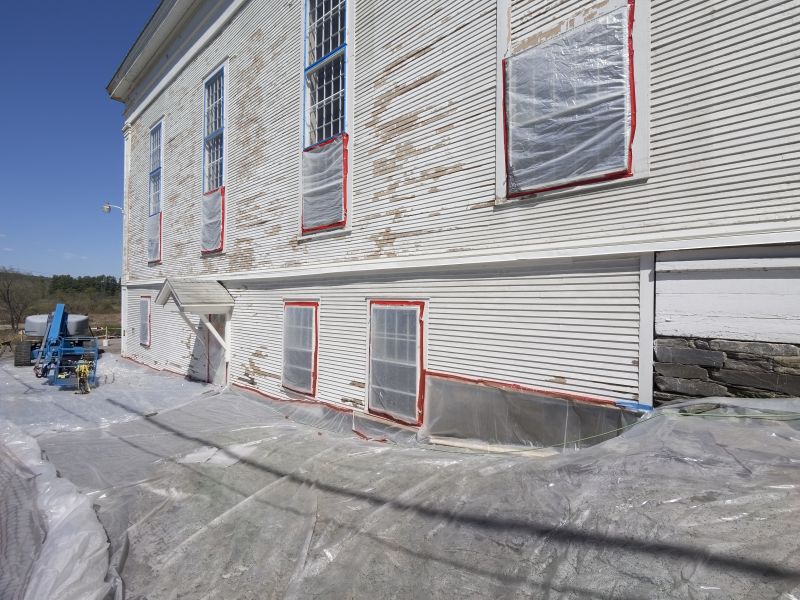
Lead analysis results documented for review.
If interested in scheduling lead paint analyses, filling out the contact form provides a straightforward way to request services. Proper timing and thorough testing are essential steps in managing lead hazards effectively and ensuring safety in residential and commercial environments.